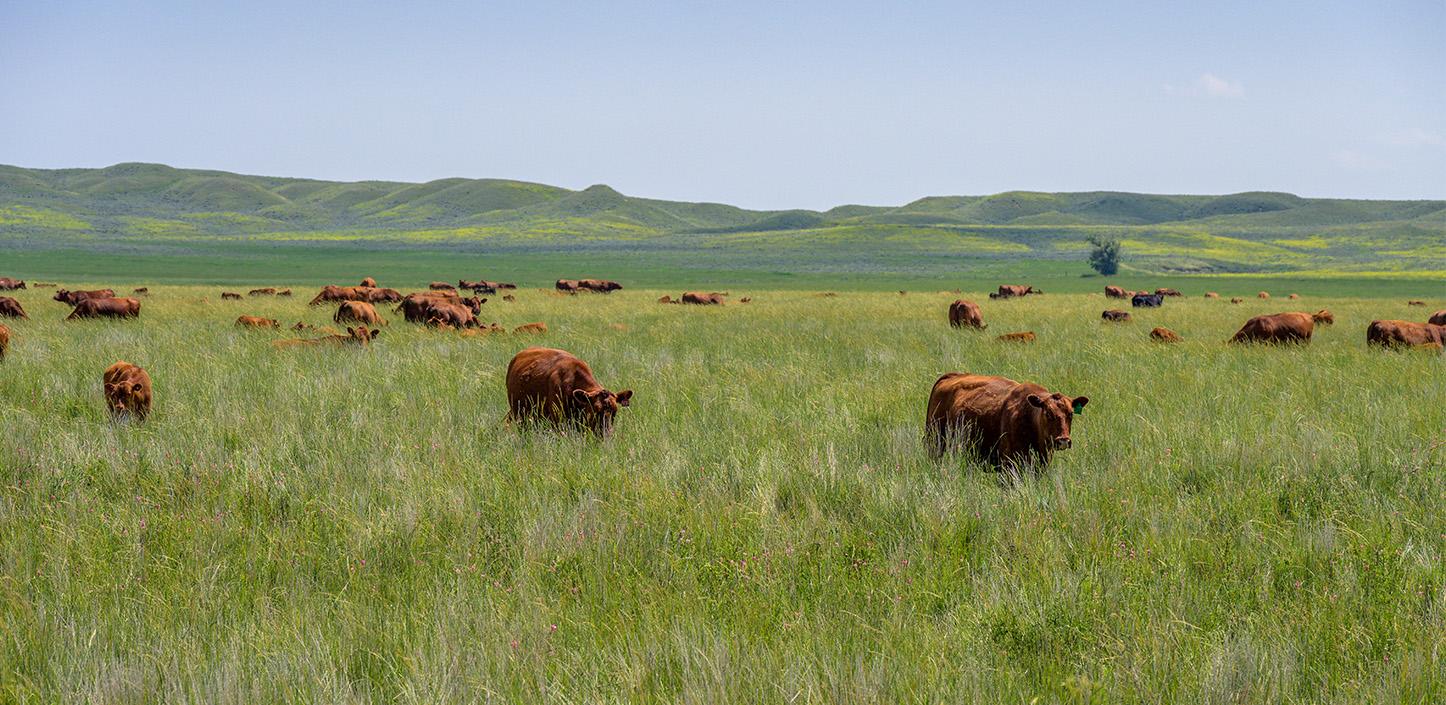
Fast food giant, McDonald’s, has announced a US$ 200 million investment over the next seven years to promote regenerative ranching practices across the United States. The company aims to restore grasslands, improve soil health, and boost biodiversity on cattle ranches spanning four million acres.
The regenerative project, called Grassland Resilience and Conservation Initiative has been launched in partnership with National Fish and Wildlife Foundation (NFWF), the US Department of Agriculture’s Natural Resources Conservation Service (NRCS) as well as prominent McDonald’s US suppliers. The project will also support habitat restoration, water and wildlife conservation on cattle ranches spanning four million acres across up to 38 states.
According to the company, this marks its largest ever investment in regenerative agriculture within the United States. McDonald’s has previously backed similar efforts on potato farms in Canada and throughout Europe.
As a brand that serves more than 90% of Americans every year, we recognize the responsibility we have to help safeguard our food systems for long term vitality
McDonald’s to Drive Regenerative Ranching
Regenerative livestock practices aim to use natural cycles to improve soil health, promote biodiversity, reverse climate change by restoring grasslands and sequestering carbon. Leveraging regenerative practices also decreases dependence on synthetic chemicals and fertilizers. Through the Grassland Resilience and Conservation Initiative, ranchers will have the opportunity to employ tools and resources to strengthen protection of wildlife habitats, enhance soil health. and conserve water.
Also read: Messium Secures $4.19M to Scale Satellite Powered Fertiliser Insights
Ranchers rotate their cattle frequently and allow pastures to rest for weeks and even months. This practice encourages more abundant grass growth with deeper root systems, which captures more carbon from the atmosphere and enrich the soil. By optimizing cattle management for environmental and economic goals, rangelands can hold more water, sustain richer grass growth and provides better habitat for wildlife.
Conservation practices voluntarily adopted by ranchers can improve the productivity of grasslands, increase ranching profitability and strengthen the vitality of rural communities across the United States.
Under this initiative, NFWF will oversee and allocate conservation funds to advance ranchers in their voluntary conservation efforts. The organisation is partnering with conservation partners across America’s grasslands to identify impactful landscape scale projects designed to benefit both wildlife populations and the productivity of critical US ranch lands. The first round of competitive grants is expected to conclude with award announcements in January 2026.
McDonald’s Investment Amidst Trade Shifts
The investment comes at a time when the US has imposed broad range tariffs on trading partners. Brazil, a major producer of beef exporter faces a 40% tariff on most shipments, while Australia and the EU also face high trade barriers. McDonald’s believes that the project will boost its US supply chain resilience, by providing ranchers economic returns such as incentive payments. The company said some of its suppliers, including Cargill, Golden State Foods and Coca-Cola, are also providing funding to the foundation.
Rising tariffs could potentially raise beef prices in the US, creating both challenges and opportunities for American ranchers. Higher import costs may encourage domestic producers to expand the scale of their operations and adopt sustainable practices to remain competitive. McDonald’s US$ 200 million investment in regenerative livestock management can support ranchers to adapt to evolving market and environmental dynamics in a rapidly changing geopolitical landscape.
Mexico has recently become the second largest importer of Brazilian beef, trailing only China. US beef prices have surged as domestic cattle herds shrink, driven by multiple factors and tariff related constraints. These factors create a potential opportunity to reduce foreign competition and boost demand for domestic beef by encouraging measures to increase production. As consumers and regulatory authorities become more sensitive to sustainability, McDonald’s led initiative provides opportunity to incentivise domestic production and withstand climate induced risks to supply chain.