
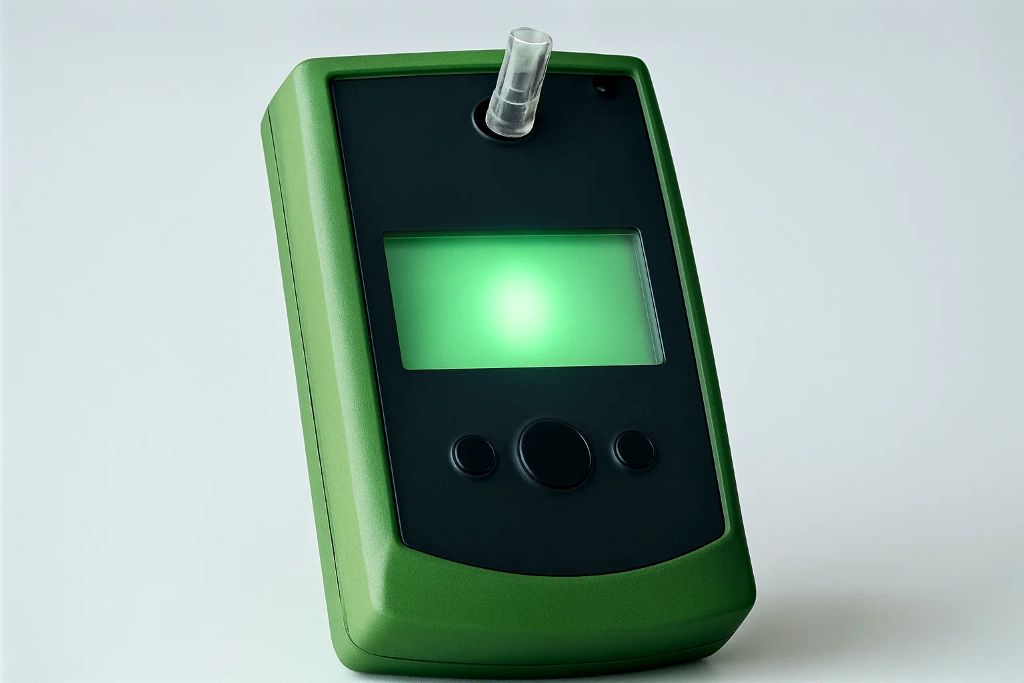
Researchers at BITS Pilani, Hyderabad, have developed a compact portable device designed to enable on-site pesticide detection. The portable chemiluminometer, developed in collaboration with UiT The Arctic University of Norway, enables detection of harmful chemical residues on fruits and vegetables directly at the source. A chemiluminometer is a scientific instrument that measures the amount of light produced by a chemical reaction, a phenomenon known as chemiluminescence (CL).
Traditional pesticide detection methods are dependent on specialized laboratories, expensive equipment, and trained personnel. This process is highly complex, time consuming, and often inaccessible in remote or resource-limited areas. The new portable chemiluminometer could help address these challenges by providing rapid, on-site testing, offering a simple, cost-effective, and accurate way to detect chemical traces beyond laboratory settings.
Portable Pesticide Detection
The device, developed as a handheld chemiluminometer, works on the principle of chemiluminescence. Users can wash a fruit or vegetable and pour the wash water into the device. If pesticide residues are present, the water reacts with a reagent, producing light, with intensity of light indicating the concentration of residues. The setup costs between US $56.37 and $112 (INR 5,000 to 10,000), making it accessible to individual consumers and small scale food vendors.
Our device is portable and user-friendly. It can be taken to markets or used at home to check whether produce contains pesticides. This is a critical step toward safer food, especially in areas with limited access to laboratories.
The chemiluminometer is equipped with a test strip called a microfluidic paper-based analytical device (µPAD). This strip is essentially a filter paper treated with a chemical reagent. When water containing pesticide residues is applied to this strip, a chemiluminescent reaction produces light. A high resolution camera captures this light, while an integrated micro-controller examines its intensity to quantify residue levels. This method delivers accurate readings without requiring specialized training, making pesticide detection accessible for routine use.
Also read: UC Davis Develops AI Powered Leaf Monitor for Real Time Crop Health
The BITS researchers have stated that the device can produce quantitative results, allowing users to detect the presence and concentration of pesticides. This technology can make it a reliable alternative to conventional laboratory testing, making food safety monitoring accessible at the consumer level. The aim of researchers is to broaden the scope of this technology, ensuring that it addresses a range of food safety and quality challenges.
Broad Food Safety Applications and Accessibility
Apart from pesticide detection, the device has broader food safety applications. Researchers can adjust the chemical reagents to detect different contaminants, including adulterants in oils, milk, and other food products and, identify biomarkers important for quality control in food processing.
The platform can be adapted chemically to detect various substances. While we have tested it on fruits and vegetables, it can also be applied to food adulteration tests and biomarker detection in items like oils and millets.
The design, operation, and applications of the device have been documented in the Microchemical Journal, contributing to international research on rapid, portable food testing technologies. The ability of chemiluminometer to detect multiple substances through chemical adaptation can conceivably open doors for innovation in other areas, particularly food adulteration monitoring, quality control in food processing, and even clinical and biomarker detection.
The device’s affordability and portability could potentially mark a major step in democratizing food safety. It can also prove to be instrumental in elevating food safety standards nationwide, particularly in remote regions. By enabling on-site testing, the device can help farmers and vendors track chemical residues, encouraging safer agricultural practices, and gradually improvement in food quality and public health standards. Consumers and small scale food vendors can also screen agricultural produce, strengthening food quality testing across the supply chain.

