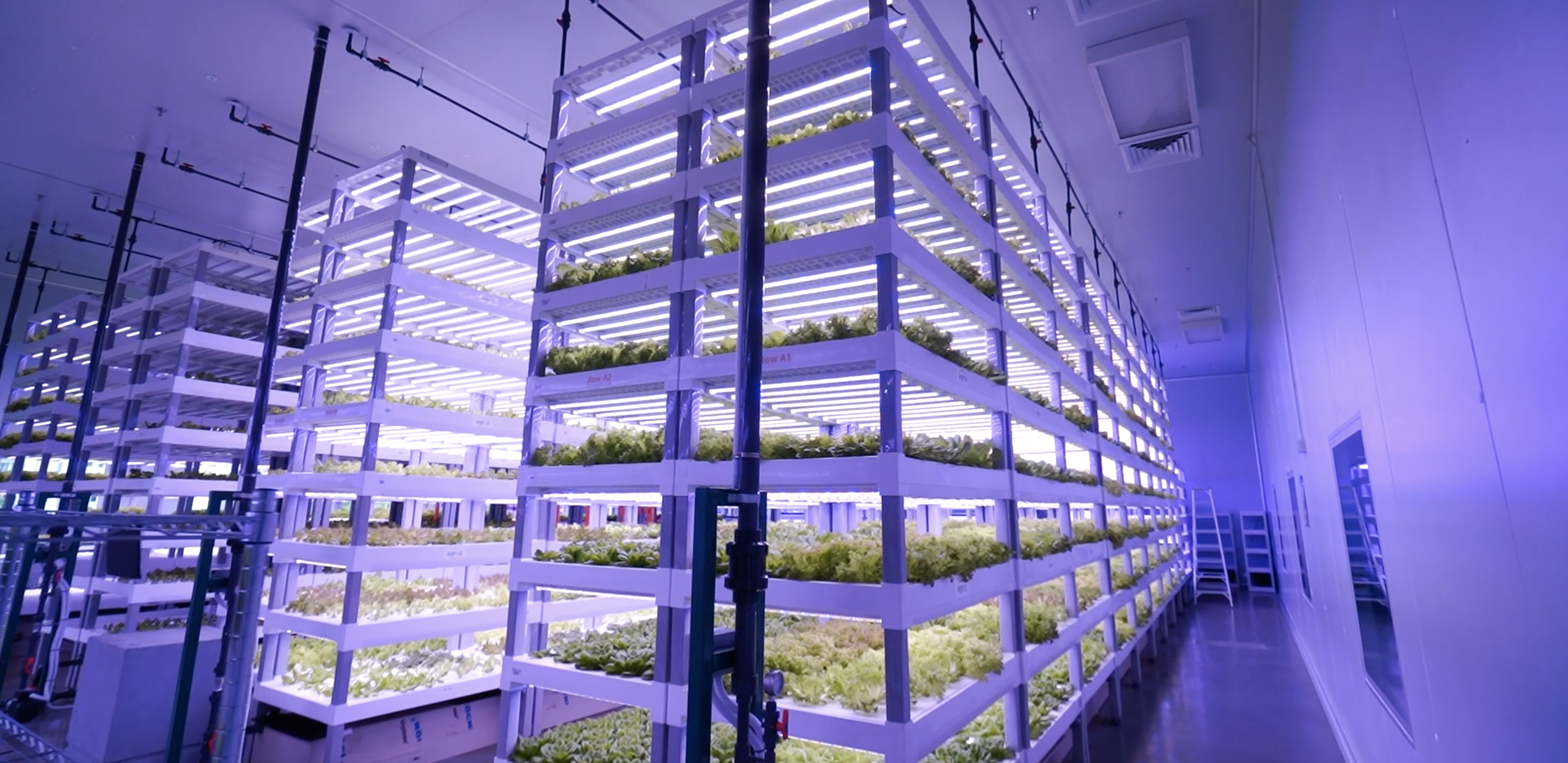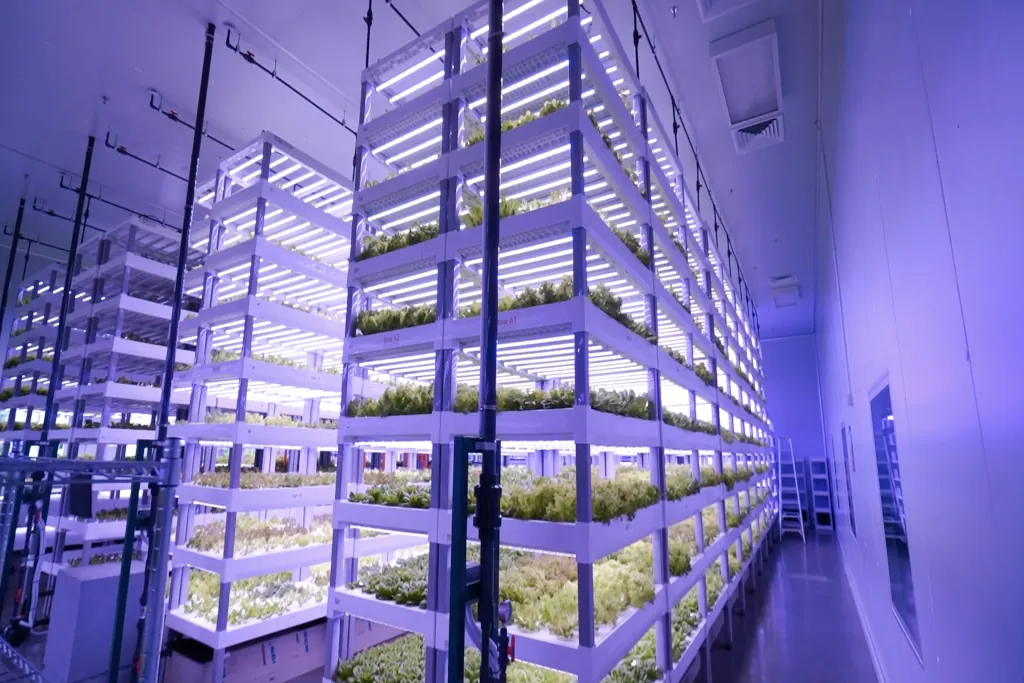
Malaysian agritech company Agroz, which designs, builds, manages, and operates indoor Controlled Environment Agriculture (CEA) vertical farms, has developed the capability to cultivate Japanese strawberries using its proprietary technology systems. The development has been achieved within the company’s CEA vertical farming infrastructure through the deployment of the Agroz Groz Wall, supported by Agroz OS, which incorporates an AI agent system, along with Agroz Copilot for Farmers. The initiative reflects Agroz’s continued application of automated intelligence and data led cultivation models to support high-value crop production under controlled conditions.
Production Roadmap and Market Access
The developed capability enables Japanese strawberries to be planted and grown in Malaysia, with plans to begin local distribution within Malaysia by the end of the second quarter of 2026 through existing and newly onboarded major retail partners. Following domestic availability, the company intends to extend distribution to markets across Southeast Asia, the Gulf Cooperation Council region, and additional international destinations. Japanese strawberries are widely regarded as premium produce, recognised for their distinct flavour profile and aroma, and the company views this cultivation capability as part of its broader strategy to scale CEA applications across multiple agricultural products.
Integration of Robotics in Farm Operations
The advancement is supported by Agroz Robotics, a programme previously announced by the company. As part of this initiative, Walker S AI humanoid robots are expected to be deployed within the vertical farming facilities where Japanese strawberries are cultivated. These robots are designed to support monitoring and farm management activities, with the objective of improving productivity, reducing labour dependency, and maintaining consistency in crop quality through precise operational oversight.
Precision Technologies and Environmental Control Systems
In parallel, Agroz has outlined how similar AI powered precision technologies are being applied within controlled environment agriculture settings in India. The company’s cultivation framework integrates advanced sensor networks, Internet of Things enabled systems, and AI based analytics to track and regulate environmental parameters such as humidity, soil moisture, temperature, and light intensity in real time. These systems are configured to replicate the growing conditions required for Japanese strawberries, a crop traditionally cultivated in cooler climatic zones.
Also read: Nkosh, RAMA University Partner to Advance Student Training and Research in Agri Sciences
The technology stack incorporates predictive climate modelling alongside automated fertigation systems to deliver calibrated water and nutrient inputs to each plant. This approach supports uniform crop development and enables the production of strawberries with quality characteristics aligned to premium market expectations, including sweetness, aroma, and texture, while maintaining operational consistency across cultivation cycles.
Resource Optimisation and Input Management
According to the company, the AI driven cultivation model enables a reduction in water and fertiliser usage of up to 40 percent. This optimisation supports lower input dependency while improving overall resource efficiency within controlled farming environments. The system is positioned as a framework that allows diversification into premium crop segments without intensive reliance on chemical inputs.
This breakthrough marks a significant milestone on our mission to bring scalable CEA vertical farming to more and more agricultural products. The latest innovation gives us the ability to produce Japanese strawberries planted in Malaysia to distribute locally in Malaysia by the end of Q2 2026 into existing and new major retailers, and subsequently to Southeast Asia, the Gulf Cooperation Council region and beyond. Japanese strawberries are considered delicacies, known for their unique flavor and scent. We believe innovations such as this will be the key to success for future farming, and our Agroz Robotic program allows us to begin to realize the potential of cleaner, safer, and more sustainable food production.
Scaling Strategy and Commercial Engagements
Looking ahead, Agroz plans to expand its smart greenhouse and vertical farming operations while offering its AI powered cultivation frameworks to farmers and agribusiness partners. The company is also exploring collaborations with retail and export stakeholders to supply Japanese strawberries to premium domestic and international markets, including hospitality and specialised retail segments. The initiative aligns with Agroz’s broader objective of advancing technology enabled, climate resilient, and economically viable agricultural production models.