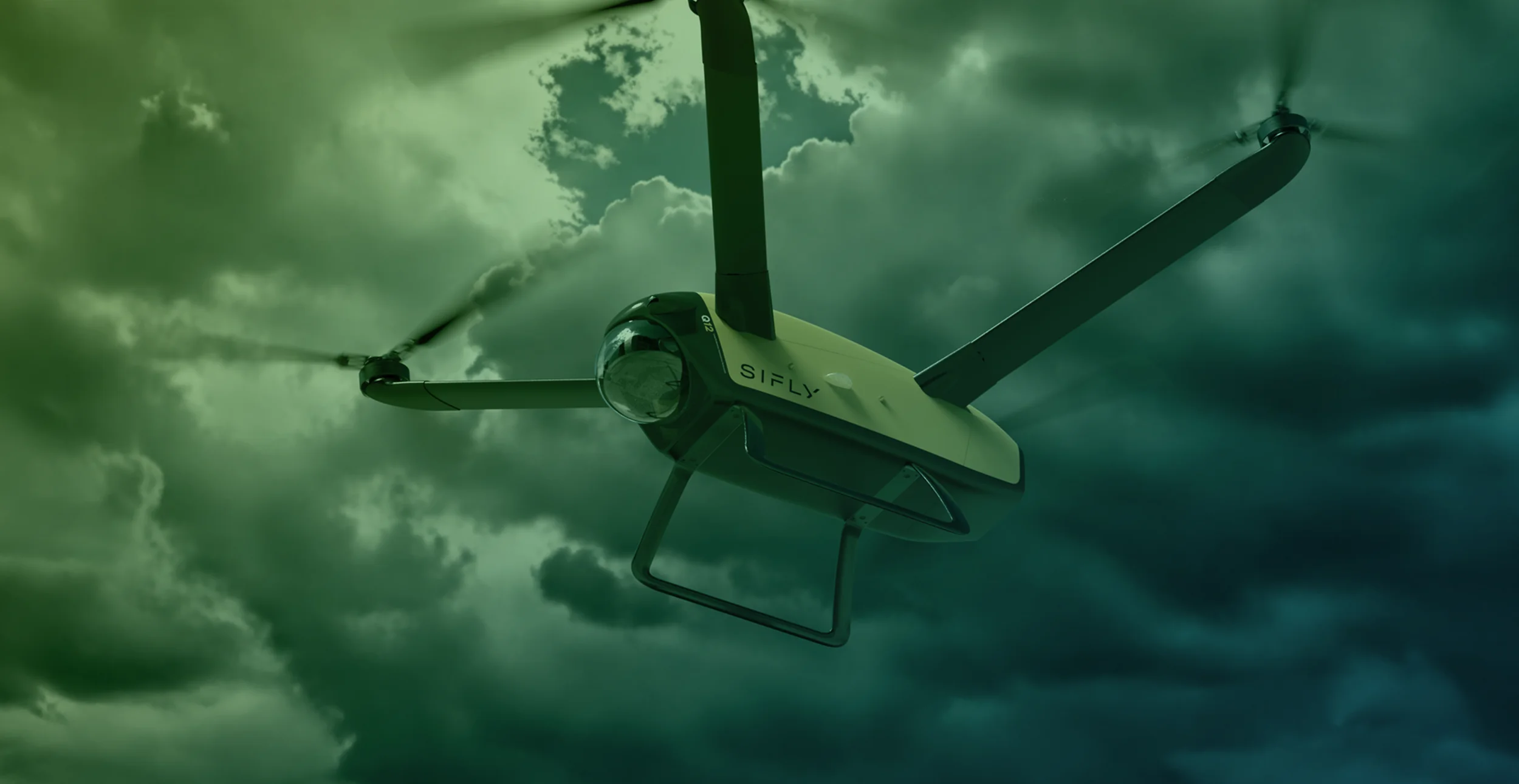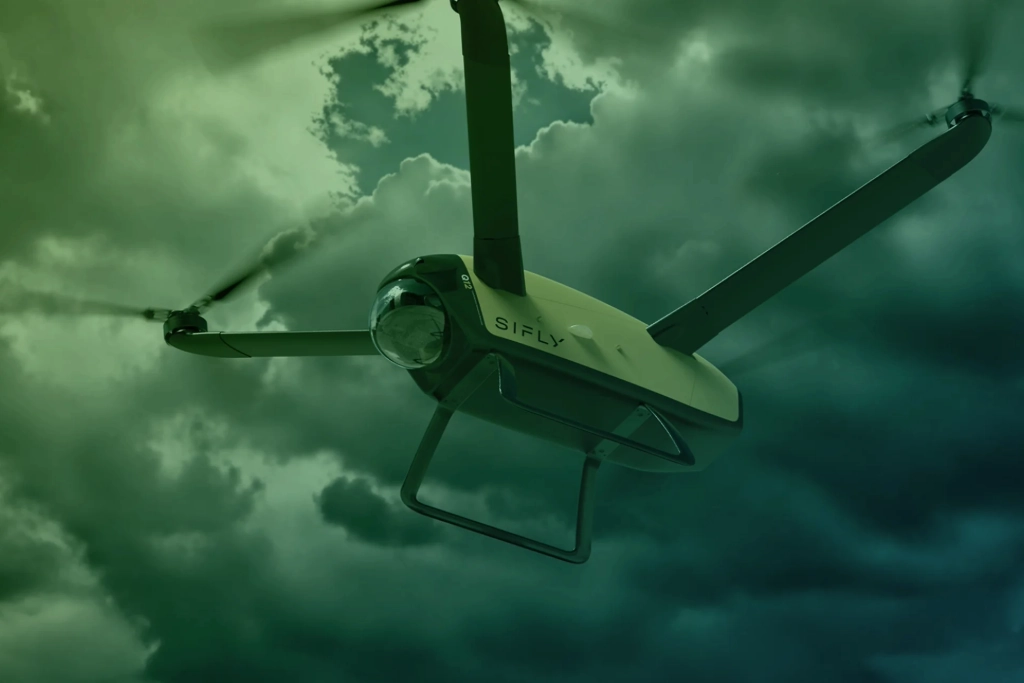
SiFly Aviation, a US based electric drone manufacturer, and Taranis, a leaf level crop intelligence firm, have announced a joint 2026 Field Validation Program to evaluate a new operating model for large scale aerial crop intelligence. The program will examine how long endurance autonomous VTOL flights, combined with AI driven, leaf level agronomic analytics, can enhance coverage efficiency, data reliability, and operational scalability across expansive agricultural regions.
In agritech, Vertical Take Off and Landing (VTOL) refers to hybrid unmanned aerial vehicles that rise vertically like a helicopter and then transition to forward flight for longer range and energy-efficient cruising, a capability that underpins SiFly Aviation’s long-endurance drone platforms and supports broader field coverage without runways.
With the launch of the 2026 Field Validation Program, the companies seek to address a persistent challenge in crop intelligence, the efficient collection of high quality field data at scale.
This program reflects a shared focus on solving real operational challenges in agriculture. As farms, cooperatives and retailers continue to scale, it’s critical to explore new mission models that improve how efficiently data is collected and transformed into insights, without adding complexity for growers or advisors.
The program will assess how long endurance autonomous flight, combined with AI driven agronomic analysis, can improve coverage efficiency, data consistency, and operational scalability across large agricultural regions, addressing one of the most persistent challenges in modern crop intelligence of collecting high quality data efficiently at scale.
Validating Scalable Aerial Intelligence Models
SiFly Aviation develops long endurance autonomous aerial systems that combine vertical lift with extended flight capability. Its US made, cloud connected platforms are used in public safety, critical infrastructure inspection, and enterprise operations, aiming to deliver persistent aerial coverage across large areas with lower flight frequency.
Also read: Lucerne Capital Partners with Boosted.ai to Launch Regenerative Farmland Investment Platform
According to SiFly’s, its Q12 long-endurance drone can deliver up to 3 hours of flight time while supporting advanced sensor payloads that enable higher-resolution imaging and greater per-mission productivity. The drone is designed for persistent, wide-area operations, allowing large agricultural regions to be surveyed in fewer flights with more consistent results, a shift the company says could fundamentally improve the economics of large scale aerial data collection.
By working alongside Taranis in this Field Validation Program, we’re validating how long-endurance flight enables more consistent, large-scale data capture, covering more acres per mission, improving data quality, and reducing the operational friction that has historically limited agricultural intelligence
Taranis is an AI based crop intelligence company that provides agronomic insights to agricultural advisors and growers to support farm management and input related decisions. The company uses leaf level data capture and analysis to generate field level observations that can inform crop monitoring, treatment planning, and operational management.
Since its founding, Taranis has worked with agricultural retailers and crop protection companies, with operations covering millions of acres across the United States and Europe.
Evaluating Data Consistency in Practice
For the 2026 growing season, SiFly and Taranis will jointly evaluate mission outcomes, operational efficiency, and data analysis performance under real world field conditions. Findings from the Field Validation Program are expected to inform future product development and operational approaches as the companies continue to work on scalable, data driven decision making for US agriculture.
The collaboration between SiFly Aviation and Taranis may signal a shift in how aerial crop intelligence is operationalized at scale. Rather than focusing on incremental gains in sensing or analytics, the effort appears to test whether endurance driven flight models can change the economics of data collection across large regions.
If long endurance autonomous platforms can reliably pair with leaf level analytics, it could reduce the need for dense, repeated missions and address long standing issues around data consistency. The emphasis on field validation suggests an acknowledgement that many crop intelligence platforms face friction when moving from pilots to wide deployment.
Outcomes from this program could influence future service models, potentially pushing the sector toward fewer flights, broader coverage, and more standardized datasets aligned with enterprise and advisory led agriculture.