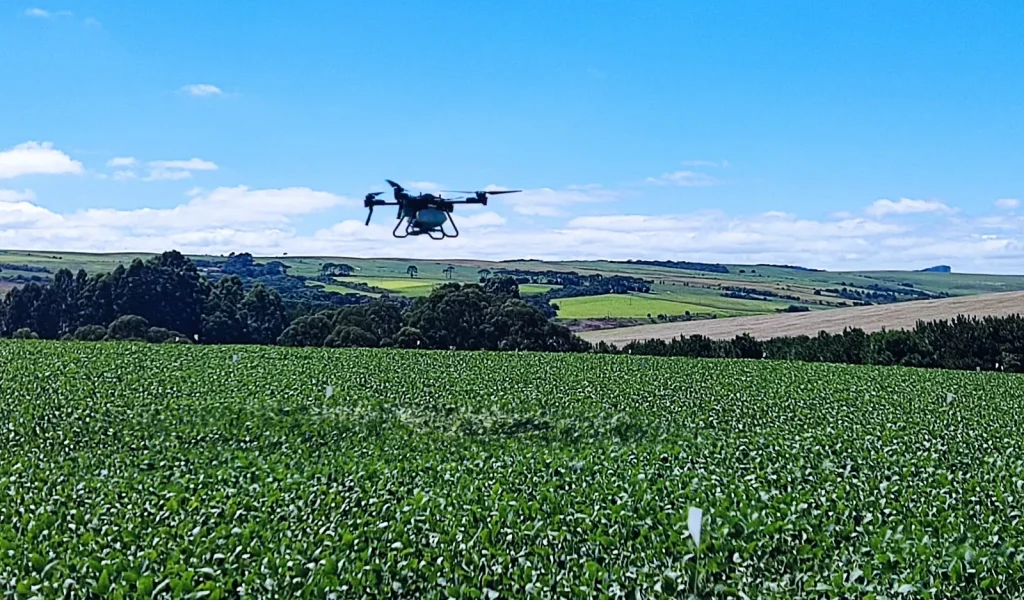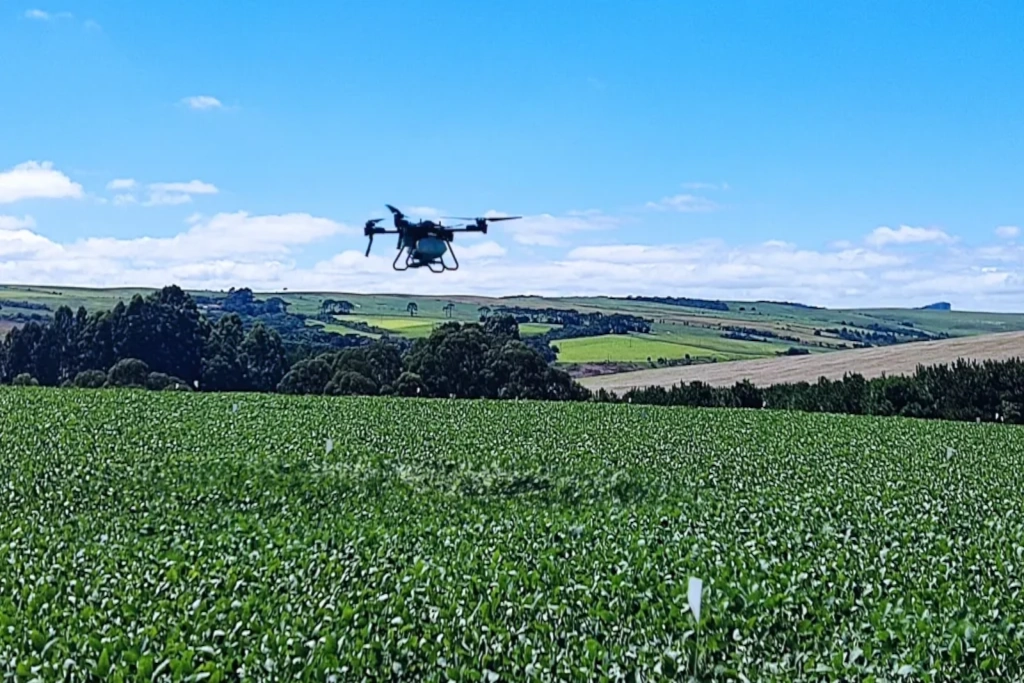
Rovensa Next, a biosolutions firm focused on sustainable agriculture, is expanding its research as an R&D partner in the FAUVE project led by the Université de Technologie de Compiègne (France), which studies the use of drones and ultra-low-volume spraying technologies for crop adjuvant application.
The initiative is being conducted with the Université de Technologie de Compiègne’s TIMR (Integrated Transformation of Renewable Matter) research team in France and is funded by the Hauts-de-France Region. Running from January 2024 to July 2026, it includes field trials in France and Brazil examining targeted crop application methods, water use, and spray drift.
This project is a great opportunity to continue pushing innovation in two areas that really matter to us at Rovensa Next: using less water and reducing the amount of product required by farmers in their crops. We want to see how these next-generation adjuvants behave, how they spread and cover the leaf, so growers can minimize water use and inputs while maintaining performance. In some cases, even improving it.
According to Rovensa Next, the drone spraying research aligns with its sustainability framework focused on resource efficiency in agricultural applications. The company says the study examines parameters such as application volume, droplet size, coverage, and spreading to assess the performance of different active ingredients when applied via drones, with the aim of informing approaches that may reduce runoff and support integrated and regenerative farming systems.
Ernenwein further noted that early trials are showing measurable changes in water use and reduced dependence on conventional chemical inputs through integrated crop strategies tested under farm conditions, an area of focus within the company’s Biosolutionize Agriculture campaign, adding that drone spraying applications are playing a role in this work.
France-Brazil Drone Trials
According to Rovensa Next, the FAUVE project has progressed through multiple research phases combining laboratory analysis, controlled testing, and early field trials across different crops and regulatory settings.
Also read: How AGRi360 Reflects Structural Challenges in Indian Farming
In France, the company says trials are examining conditions for the authorized use of drones in the application of biocontrol and low-risk substances, particularly in vineyards and banana crops. Reported early findings indicate changes in spray stability and coverage when adjuvants are applied at ultra-low volumes, including in formulations containing copper or sulphur.
In Brazil, research activities are focused on large-scale crops such as soybean and corn and include fungicide, insecticide, and herbicide applications. Rovensa Next states that these trials place emphasis on droplet behavior and off-target movement, with wind tunnel testing used to assess drift under varying parameters such as nozzle type, pressure, and formulation.
The company reports that an initial prototype showed reductions in the formation of fine droplets ranging from 35% to 63% depending on nozzle and pressure, wind-drift reductions between 40% and 57%, and a reduction in foam generation during high-speed blending. These results, it says, have informed the identification of adjuvant formulations with altered spray performance characteristics.
Next Research Phase
Rovensa Next indicates that the next phase of the project will involve field trials to quantify outcomes related to deposit, coverage, and efficacy, alongside compatibility testing across different crop protection products.
For the Brazilian market, the company has developed a formulation based on natural oil derivatives that it describes as providing anti-drift, anti-foam, spreading, and penetration functions. According to Rovensa Next, the formulation has shown results at laboratory scale and is currently undergoing field evaluation, with potential inclusion in its adjuvant portfolio.
The company also highlights research within FAUVE on Natural Deep Eutectic Solvents (NADES), described as biodegradable liquid mixtures derived from plant-based components. Rovensa Next says the project is examining how NADES-based adjuvants behave when applied via drones at very low volumes, including spray uniformity, interaction with plant surfaces, and off-target movement, without the use of surfactants.
According to the company, findings from the FAUVE project are expected to inform future research and product development related to adjuvant performance in drone-based crop applications.