As genomics becomes increasingly central to modern agriculture, Digital Sequence Information, which refers to digital data derived from a plant’s DNA, is emerging as a key enabler for improving access to and use of crop genetic resources. Its application is particularly relevant for plant breeding programmes focused on developing improved crop varieties that address food and nutrition security challenges.
Addressing Capacity Constraints in Genomic Applications
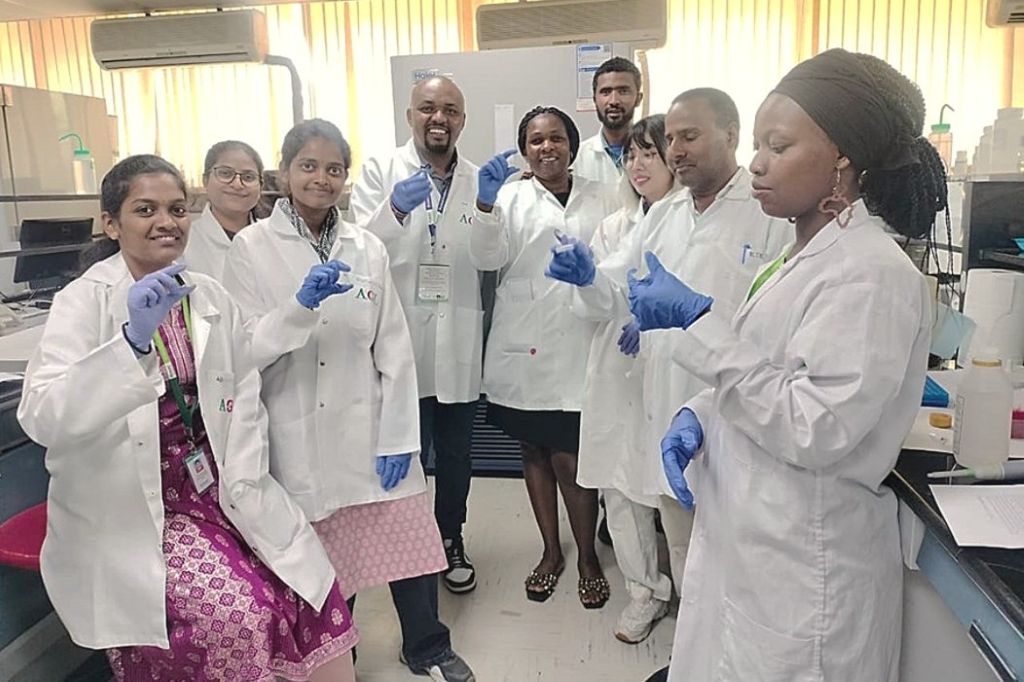
Despite the rapid growth of genomic data worldwide, many national research systems, especially in developing regions, continue to face constraints in applying these tools in an effective and responsible manner. Addressing this capacity gap formed the context for a five day hands on training programme on Digital Sequence Information held at the Hyderabad headquarters of International Crops Research Institute for the Semi-Arid Tropics (ICRISAT).
Collaborative Framework Under the CGIAR Genebanks Accelerator
The Digital Sequence Information programme was organised in collaboration with AfricaRice and the Alliance of Bioversity International and CIAT as part of a broader capacity building initiative under the CGIAR Genebanks Accelerator. The training strengthened the technical and institutional capabilities of 18 scientists drawn from 12 countries across Asia and Africa, with a focus on the practical handling and analysis of Digital Sequence Information and its integration into genebank information systems.
As a signatory to the International Treaty on Plant Genetic Resources for Food and Agriculture (ITPGRFA), ICRISAT continues to promote the effective use of plant genetic resources through training programs, strengthening human capacity to translate scientific advances into tangible gains for food and nutrition security.
Linking Genomics Expertise to Food and Nutrition Security
The initiative drew upon long-standing institutional experience in genebank management and the application of genomics in crop improvement, with the objective of translating scientific advances into practical outcomes for food and nutrition security. The Digital Sequence Information programme was aligned with international commitments under the International Treaty on Plant Genetic Resources for Food and Agriculture, reinforcing the role of capacity building in enabling wider and more effective use of plant genetic resources.
Strengthening Coordination Across Genebanks
A key theme that emerged during the Digital Sequence Information programme was the need for stronger coordination among genebanks at national, regional, and global levels. The training underscored the value of bringing diverse research systems onto a shared platform to improve coherence in the use of genomic tools and data. By building shared capacity across institutions and regions, the programme aimed to support more informed and consistent decision-making within breeding programmes.
Sustained Engagement Through Communities of Practice
Participants collectively agreed on the importance of sustained engagement beyond the training period. This included a commitment to develop a shared training agenda and to establish regular interactions through regional Communities of Practice in Asia and Africa, designed to support continuous peer learning and long term collaboration.
Training programs are vital to bring national and global research systems onto a common platform and improve coordination in the use of genomic tools across genebanks. By building shared capacity across regions and institutions, the training enhances the application of genomic data and supports more informed decisions in breeding programs.
Hands-On Training Across the Genomics Workflow
The technical programme combined lectures, discussions, and laboratory-based exercises led by experts from the host institution and partner organisations. Participants worked through the full genomics workflow, from DNA extraction to high-throughput genotyping and single nucleotide polymorphism data analysis, using advanced research facilities available on campus.
Also read: Cyngn Partners with Chandler Automation to Enter Agriculture and Food Processing
Integrating Genomics Within the Crop Improvement Pipeline
Exposure to the wider research ecosystem formed an integral part of the programme. Participants visited the genebank, speed breeding facility, plant quarantine laboratory, climate change biology facility, and aflatoxin laboratory, gaining insight into how genomics and related tools are embedded across the crop improvement pipeline, from germplasm conservation to the development of varieties suitable for farmers.
Building Regional Ownership and Long-Term Capacity
The outcomes of the programme highlighted its role in fostering regional collaboration and strengthening long term national capacity to manage and utilise genetic resources. To support continuity and regional ownership, two National Agricultural Research Systems champions from Africa and Asia were identified to jointly guide the emerging Communities of Practice.
Practical Value of Digital Sequence Information for Breeding
The practical value of Digital Sequence Information was also emphasised during the programme, particularly its ability to enable breeders to identify useful traits without repeated access to physical samples. This approach reduces both time and costs, supports faster breeding decisions, and improves the efficiency with which benefits flow to breeding programmes and farming communities.
The Digital Sequence Information programme concluded with a reflection on the ethical foundations of scientific work, reiterating that the responsible use of advanced tools such as genomics must be grounded in integrity, honesty, and a strong sense of professional responsibility.