Norway based agritech company, Nofence, has launched HerdNet, a new communication system designed for its 2.5 model livestock collars. The system enables collar-to-collar communication, addressing long standing connectivity issues faced by producers, particularly in remote areas where cellular coverage is often limited. HerdNet ensures real time synchronization of virtual fencing for cattle, sheep, and goats, providing producers with a smoother and more efficient livestock management experience.
According to the company, HerdNet is the result of continuous improvements guided by customer feedback. Producers had highlighted the challenges posed by inconsistent connectivity, and the new system responds directly to those needs. By incorporating energy efficient technology and rethinking how updates are shared among animals, Nofence has introduced a solution aimed at optimizing both user experience and responsible livestock care.
Real World Benefits for Farmers
During trials and testing, HerdNet has already demonstrated tangible benefits. Fabien Lepoutre, Vice President of Engineering at Nofence, noted the improvements for producers.
“HerdNet is a breakthrough in virtual fencing technology that is poised to improve connectivity and deliver better results for producers, as we’ve seen already in real world scenarios through our testing program. It helps ensure the system works on farmers’ and ranchers’ terms and helps them get faster updates and better performance. This feature will make a real difference in our customers’ day to day use of the product, enhancing effectiveness, ease of use, and overall livestock management.”
Farmers in the United States have echoed these sentiments. Dayna Burtness of Nettle Valley Farm in Southeast Minnesota shared her experience: “Kudos; that’s a huge change from last year. I did a paddock update and was ready for it to go badly since the goats are in an area with low to no reception. Not only did it go well, with all collars updating at the same time, it was so fast!”
How HerdNet Works
Traditionally, virtual fencing systems depended on individual collars establishing direct connections to a server at regular intervals to send and receive updates such as new pasture configurations. This model created challenges when certain collars were located in areas with limited or no cellular connectivity.
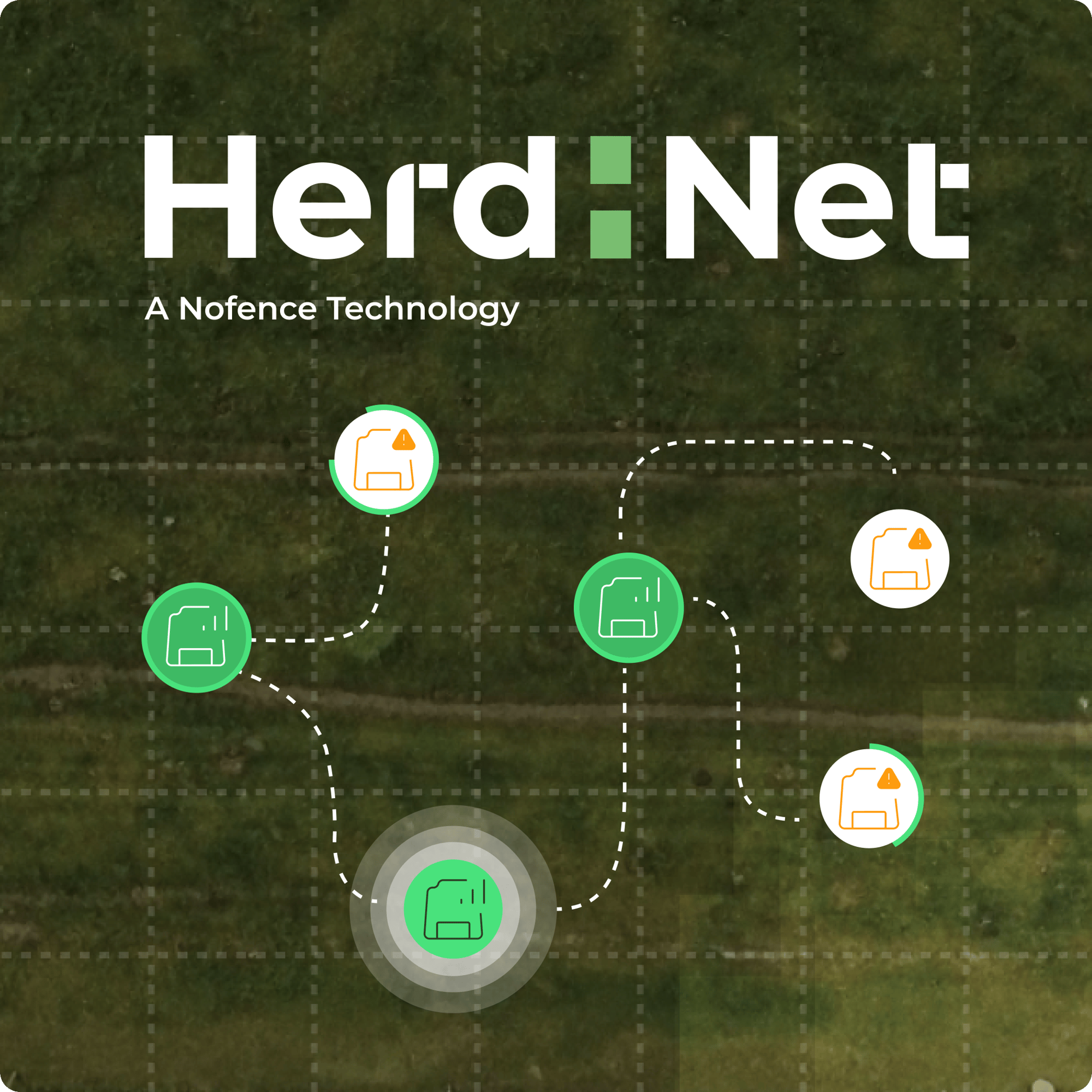
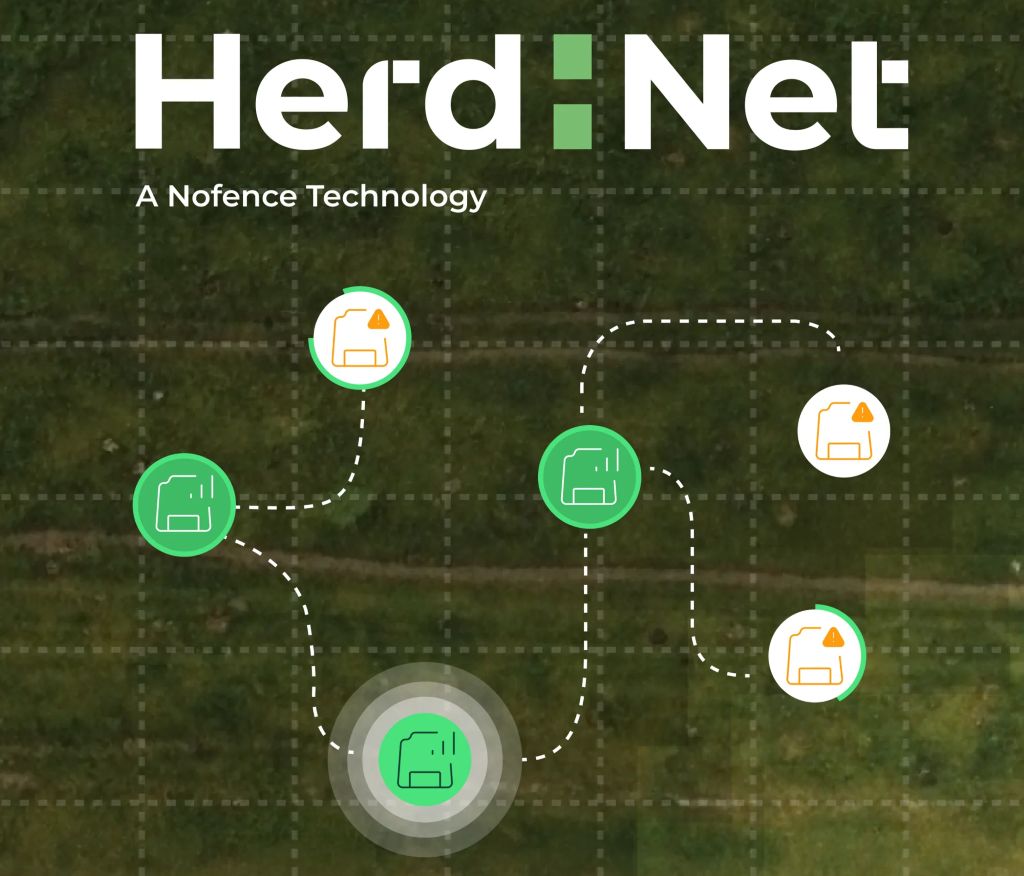
HerdNet introduces a new approach. When any single collar in a herd connects to the server, it retrieves the latest updates and then shares that information with nearby collars using Bluetooth Low Energy signals. This short range, energy efficient communication is well-suited to herd animals that remain in close proximity. As a result, all animals receive synchronized updates quickly, reducing delays and ensuring the entire herd transitions together.
Respecting Herd Dynamics and Animal Welfare
Beyond connectivity improvements, HerdNet also supports natural herd behavior. Nofence’s test programs involved close collaboration with producers to refine the system, with particular attention given to synchronized updates. Research shows that livestock experience less stress when allowed to move together as a group, and the ability to provide simultaneous updates reduces the risk of herd splits during pasture transitions.
Also read: Fendt Expands Its Vario Tractor Portfolio with New Generations and Specialized Models
This synchronization respects the instinctive cohesion of cattle, sheep, and goats, making virtual fencing more effective in practice. Producers benefit from smoother transitions between pastures, while animals experience reduced stress and healthier grazing patterns. By enhancing herd dynamics, HerdNet also improves the efficiency of pasture utilization, supporting managed grazing strategies such as rotational grazing.
Overcoming Connectivity Barriers
Connectivity has long been a barrier to adopting precision grazing systems, particularly in regions with unreliable cell coverage. Previous versions of Nofence collars relied solely on connections to cellular towers, limiting effectiveness in harder to reach areas. HerdNet addresses this limitation by building connectivity directly into the collars themselves, allowing them to communicate and share updates across the herd without depending entirely on external infrastructure.
This capability expands the reach of virtual fencing into areas previously considered unsuitable for such systems. Farmers and ranchers working in remote locations can now adopt precision grazing practices with fewer restrictions, increasing accessibility and usability.
Broader Implications for Virtual Fencing Adoption
By embedding smarter communication within its collars, Nofence has created a more reliable and adaptable virtual fencing system. For producers, the new technology offers faster updates, synchronized herd management, and improved livestock welfare, while also lowering the barriers to adopting digital pasture management.
With HerdNet, Nofence broadens the scope of its virtual fencing technology, making it accessible to a wider range of agricultural operations. The company positions this advancement not just as a product upgrade but as a way to extend the impact of precision grazing across different regions and contexts, paving the way for broader adoption of virtual fencing systems worldwide.